Discovering Namibia's Zambezi Region
November 12, 2026
by Flo Ticehurst, Safari Drive Sales Team
Returning to Namibia this October, my journey through the Zambezi Region offered a striking contrast to the vast desert landscapes which Namibia is best known for and I am familiar with. The Zambezi Region (aka the Caprivi Strip) sandwiched between Angola and Botswana and sharing a border with Zambia, has a very different geography. Its diverse habitats include riverine woodlands, wetlands, lush floodplains, open grasslands and mixed savannah supporting large populations of hippos, crocodiles, buffalo, elephants and zebra, among many other species. This wildlife rich region also boasts a huge variety of birdlife, large predators such as lion and leopard as well as rarer antelope species like the semi aquatic sitatunga who enjoys the swamps. Wildlife knows no borders, so can roam through this region following migration paths as the seasons turn.
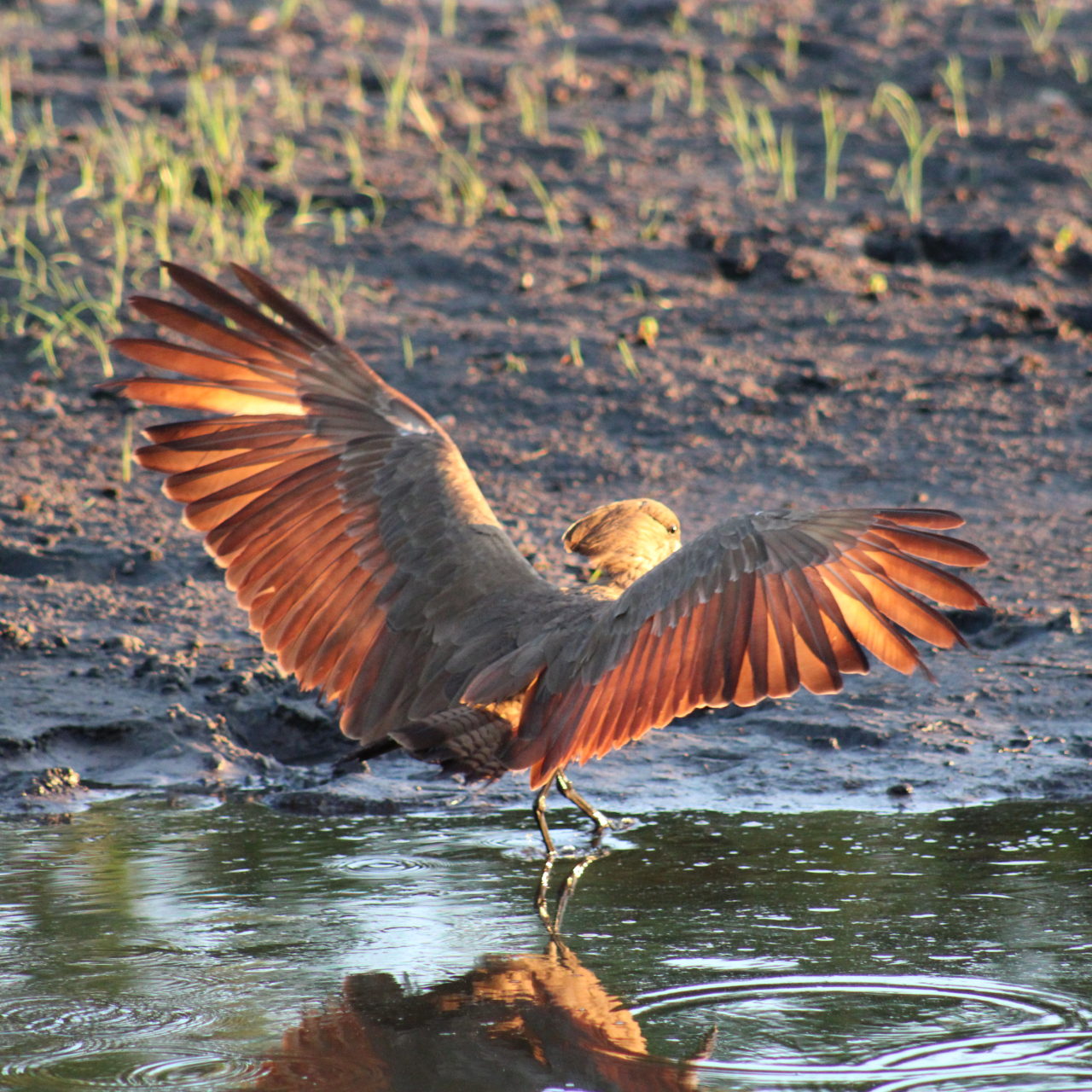
Nkasa Rupara is among three national parks within the Zambezi Region and can be considered a little sister to Botswana’s Okavango Delta. Obviously very much smaller, the similarities lie in the maze of water channels, reed beds, oxbow lagoons and islands which the shared wildlife inhabits. With relatively few safari visitors in comparison to the Delta or Etosha National Park, Nkasa Rupara makes for a quieter, off-the-beaten track choice to include in a self-drive itinerary and our expertly equipped Toyota Land Cruisers are indispensable in the challenging 4x4 terrain.
Mudumu National Park stretches along the Kwando river at its western side and is easier to access but still requires a 4x4 vehicle. The park covers just under 1000km², has rivers with reed islands as well as dense woodland and grassland. Acting as a migration corridor, there’s plenty of wildlife to interest self-drive explorers and the birdlife is a particular draw – there’s more than 430 recorded species in Mudumu.
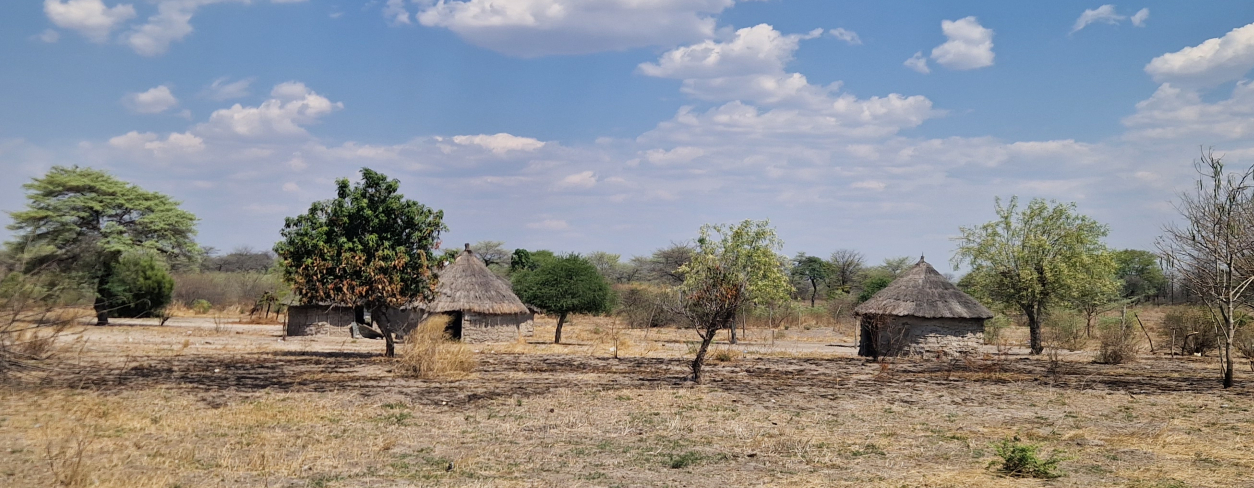
The trans-Caprivi Highway (B8) takes you through Bwabwata National Park (formerly known as the people’s park) which stretches around 190km along the Caprivi Strip and across the entire width of this narrow sleeve of Namibia. It contains several villages in the Multiple Use Area in the middle of the park and three core conservation areas – the Buffalo, Kwando and Mahango. With humans and animals living in such close quarters, initiatives such as the Sijwa Project which I visited are invaluable for supporting the local communities, the land and the wildlife they co-exist with. The main migration route for elephant as they make their way to and from Chobe National Park in Botswana passes through Bwabatwa so these and other wildlife move freely throughout the area and can often be seen by the roadside. You don’t need to pay park fees if you’re just driving through Bwabatwa on the B8 but fees need to be paid at the park or core area gates if you are going to venture off the main road.
Driving wise, this trip was very different from my last, mainly gravel road, experience in Namibia. Here, the trans-Caprivi highway is tarred along its whole (pretty straight) length. Journeys between lodges and campsites typically involve a small amount of driving slowly along sandy tracks (a little deep and bumpy at times) and driving long paved stretches of road. Speed needs to be held in check as goats, cattle and donkeys are often herded along the sides of the road by local farmers. Many traditional villages line the route, so excitable children can stray into the road as they meander to and from school or between the villages. As the road passes through Bwabatwa there can be elephant, buffalo, kudu, impala and perhaps roan and sable antelopes grazing close by. It’s a busy truck route with Zambian copper being hauled to Walvis Bay and some of the truck drivers seem to have only a passing grasp of when it is safe to overtake. All in all, keeping alert and your speed sensible is a must as you drive this route.
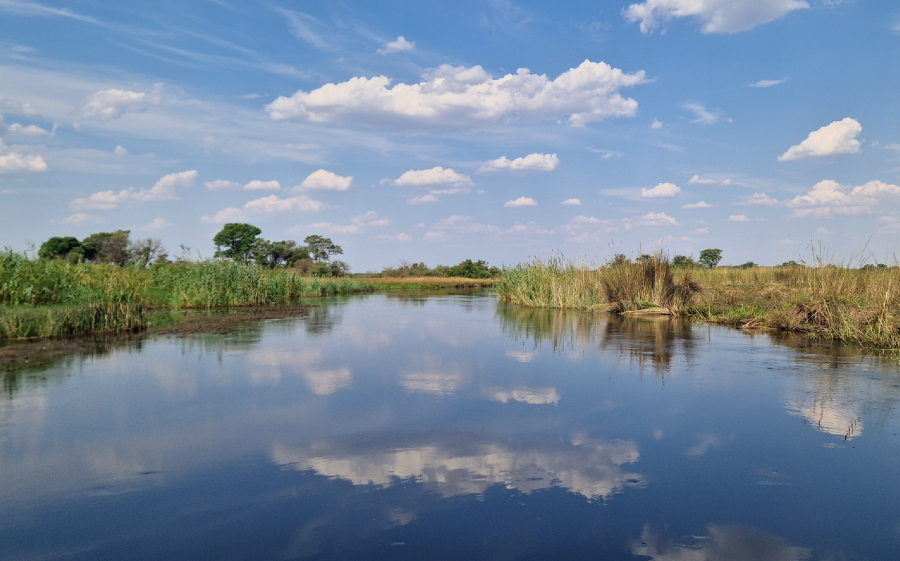
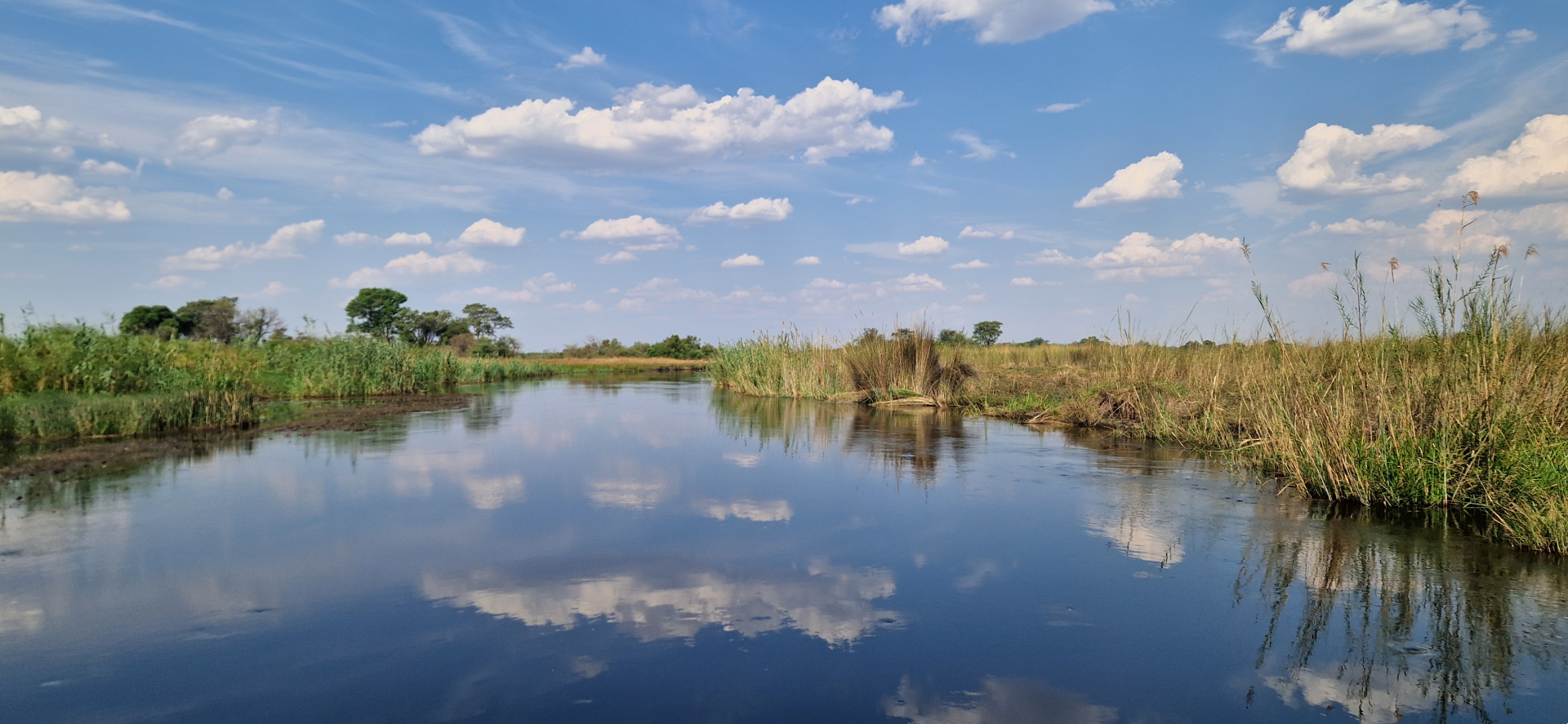
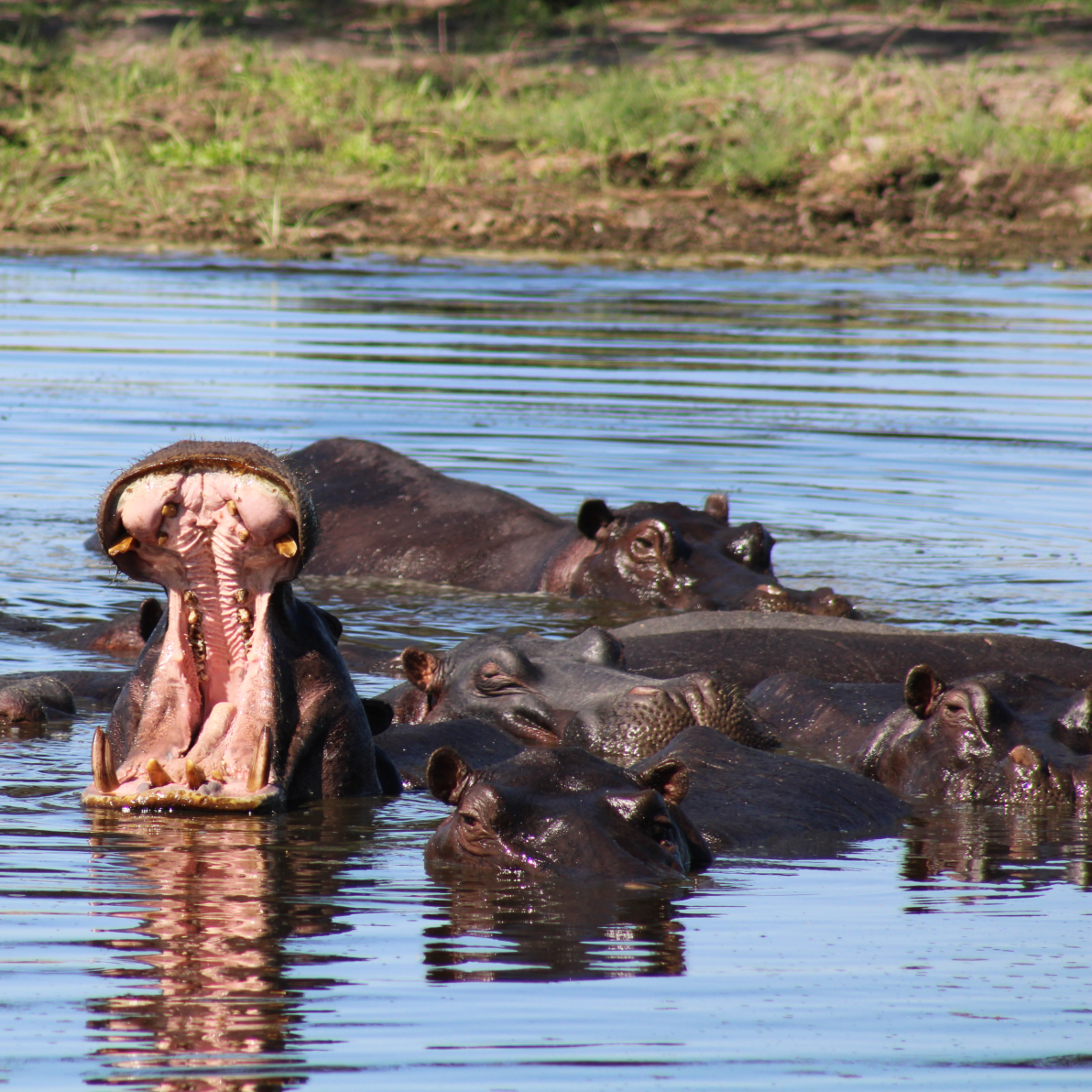
The most defining feature of this Namibia trip was water – I only spotted one small puddle last October when south of Windhoek. This time around, waterways and their dependant creatures, plants and people were central to my safari experience. Here rivers change names as they flow – the Kwando becomes the Linyanti, further east it takes the name Chobe before emptying into the Zambezi, but no matter the name, a boat trip will bring you up close to the wildlife in and around the river. Surprisingly loud hippo grunts, a yellow billed stork wading without concern right next to a baby crocodile and a swaggering water monitor lizard appearing out of the swaying grass at the water’s edge are accompanied by unexpected features of the rivers themselves – for instance I didn’t know that the Chobe River can flow in both directions.
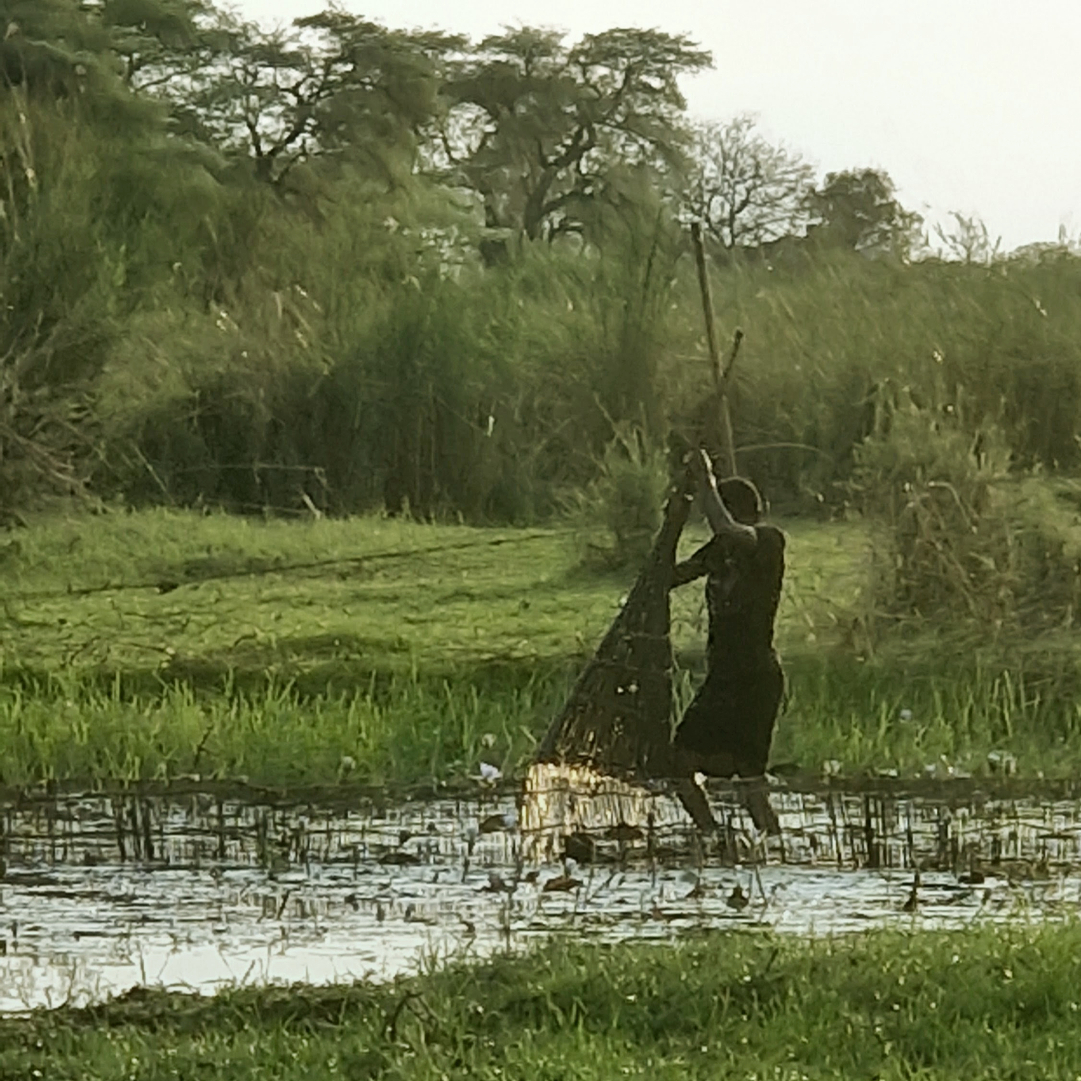
Spending time floating along the rivers of the Zambezi Region reveals different aspects of people’s lives in this watery border land, we see a small group fishing with traditional basket traps. We hear how communities straddle the water, often crossing the river to buy food, attend school and visit relatives – simplified border controls for locals make this possible, support the economy and preserve local culture.
Community based conservation is especially valued in the Zambezi Region, as the interdependence between the environment, wildlife and people is so fundamental. This interconnectedness was evident throughout our journey, along the roadside, on the riverbanks, in the places we stayed, in what we learnt from guides, in what we witnessed beyond the protected bubble of ‘being on safari’.
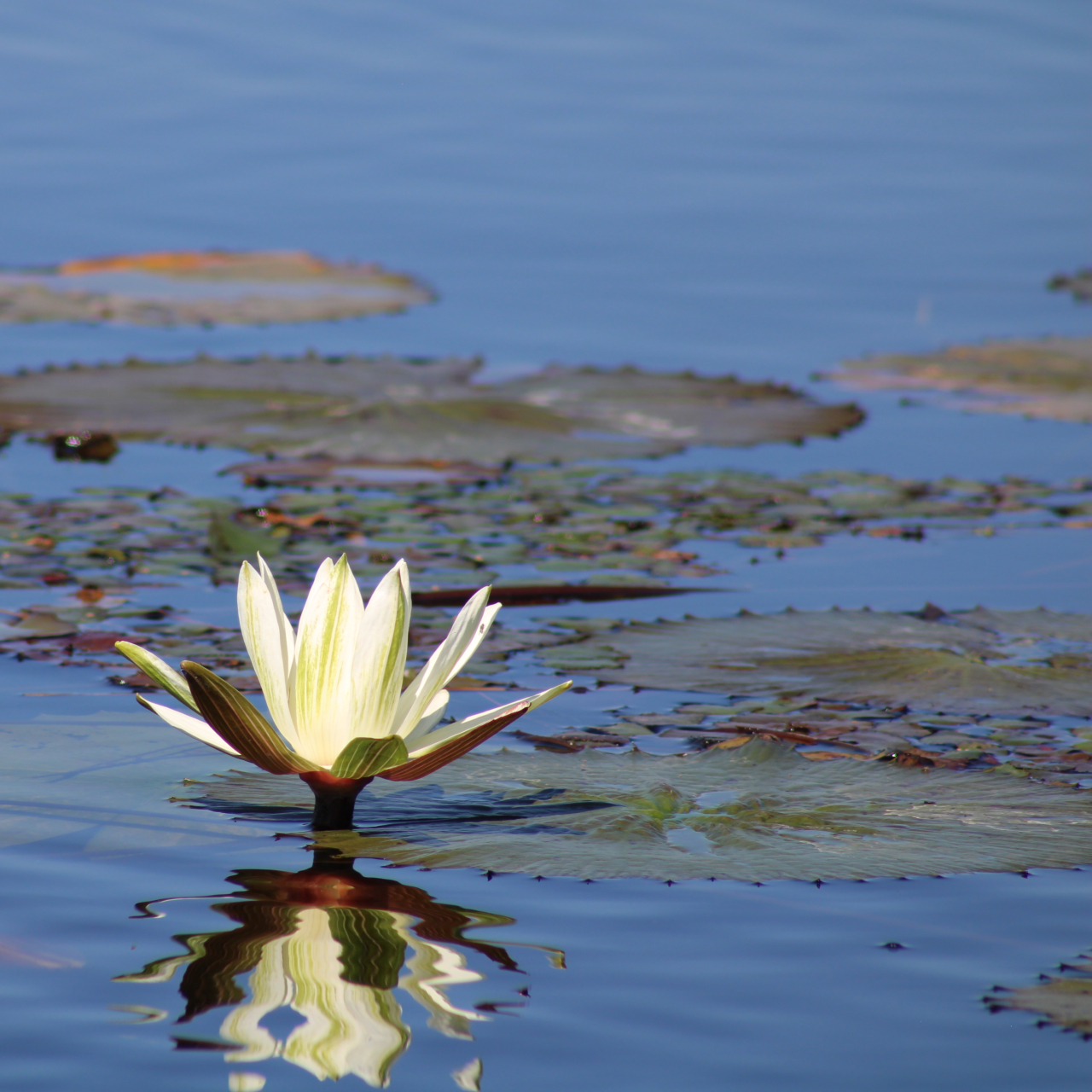
Slowing down to explore by boat and on foot gave me the chance to indulge my interest in all things botanical, especially in the medicinal use of plants. There were abundant opportunities to learn the names of indigenous plants and discover traditional uses. I enjoyed being told the name of a plant I asked our guide about was the ‘knobbly creeper’ (Combretum mossambicense) – used traditionally for a whole gamut of ailments. One of our guides also explained the lifecycle of water lilies, both day and night varieties - pollinated by bees and moths respectively – how they then form a small fig-like fruit which disperses seeds under water, and how harvesting the edible tubers rooted in the river bed is made very dangerous because of hippo, crocodiles and snakes.
It should not be forgotten that this region has seen complex political developments play out, although I can’t do justice to this history here. Colonialism left it’s mark in the name Caprivi Strip, which has now been officially replaced with the names Zambezi Region and Kavango East. However, more than a decade later there is still resistance to the new names as some see this as a threat to their cultural identity as ‘Caprivians’. More recently, in the late 1990’s clashes between Angolans and Namibians destabilised the area and made it too dangerous for travel. There were also border disputes with Botswana around the same time. Thankfully, now the Zambezi Region has become a safe tourist destination and travellers can enjoy a less crowded safari experience in the national parks here, which are worthwhile to visit in their own right or as part of an itinerary connecting other areas of Namibia or Botswana with Victoria Falls.
Looking back, what I will remember most about the Zambezi Region is its interconnectedness. Rivers link countries, wildlife moves freely across borders, and local communities maintain traditions and livelihoods that remain closely tied to the natural world around them. It is a landscape where people, water and wildlife are inseparable. For me, it offered not only exceptional game viewing and birdlife, but also a deeper insight into a lesser-known corner of Namibia that deserves far more attention. The ever-shifting kaleidoscope of sounds, colours and texture will keep my memories of this trip alive for a long time to come.